Dead Branch Removal in Allentown, PA
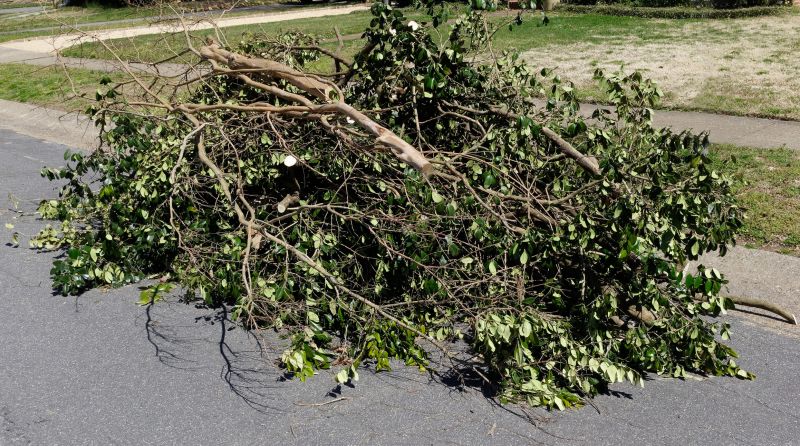
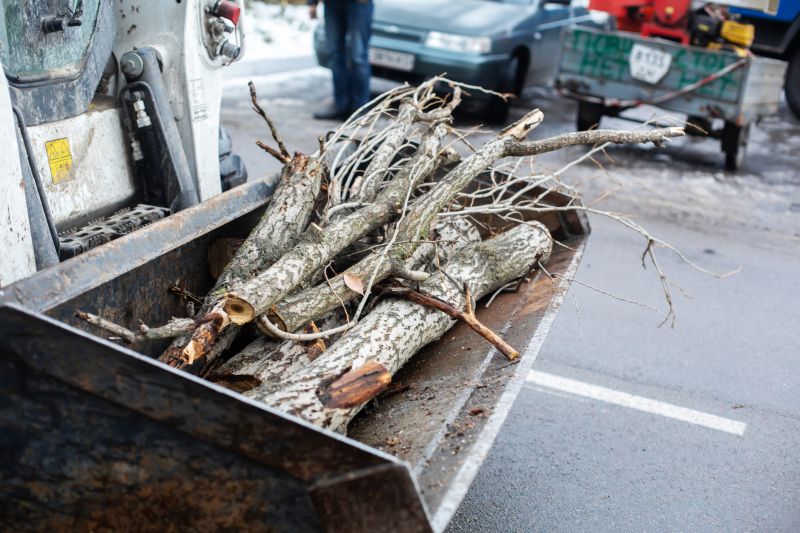
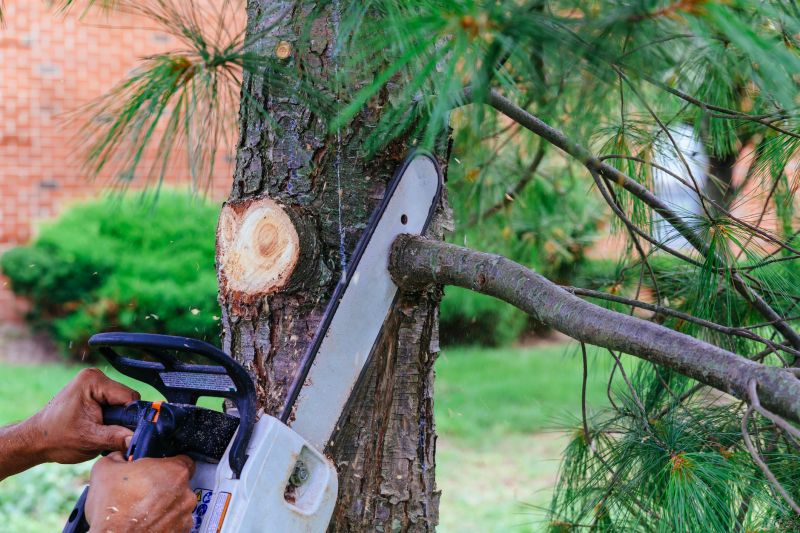
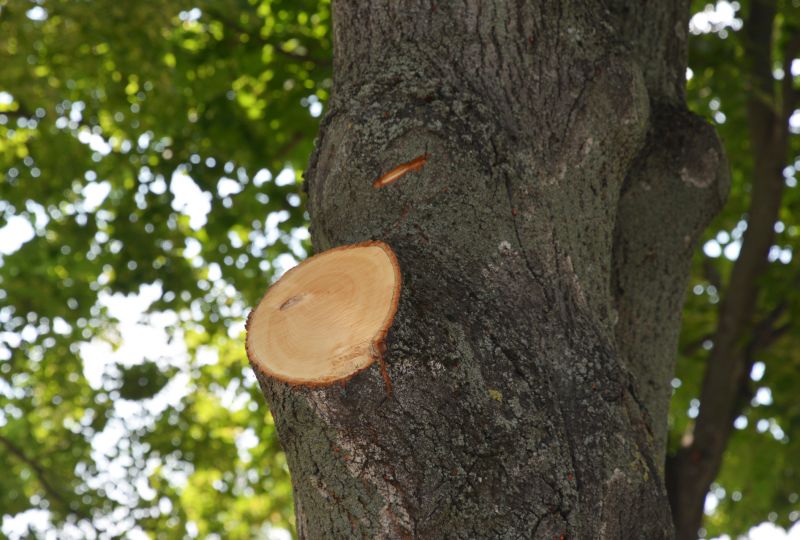
Dead branch removal services involve safely trimming or removing damaged, dead, or overgrown branches from trees and shrubs on residential properties. This service is often requested to improve the health and appearance of trees, prevent potential hazards such as falling branches, and maintain the overall safety of the landscape. Projects can range from removing a single problematic limb to comprehensive pruning of multiple trees to promote growth and safety, especially in areas with high foot traffic or near structures.
Homeowners typically seek information about the scope of the removal, the impact on tree health, and any necessary preparations before work begins. It is important to understand which branches are suitable for removal, how the process may affect the tree’s growth, and whether any permits or restrictions apply in the local area. Clear communication about the extent of work and any property considerations can help ensure the project aligns with property owner expectations.
Many property owners in Allentown, PA look into Dead Branch Removal for repairs, replacements, upgrades, and appearance-related improvements.
Safety And Property Protection
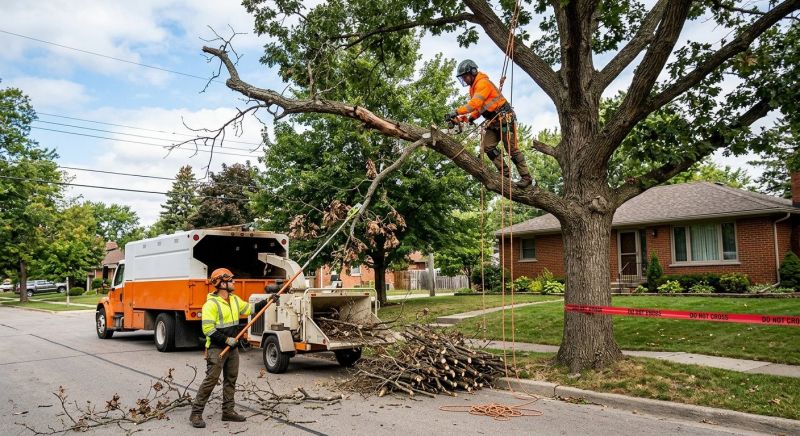
Removing dead branches reduces the risk of falling debris and property damage.
Tree Health And Maintenance
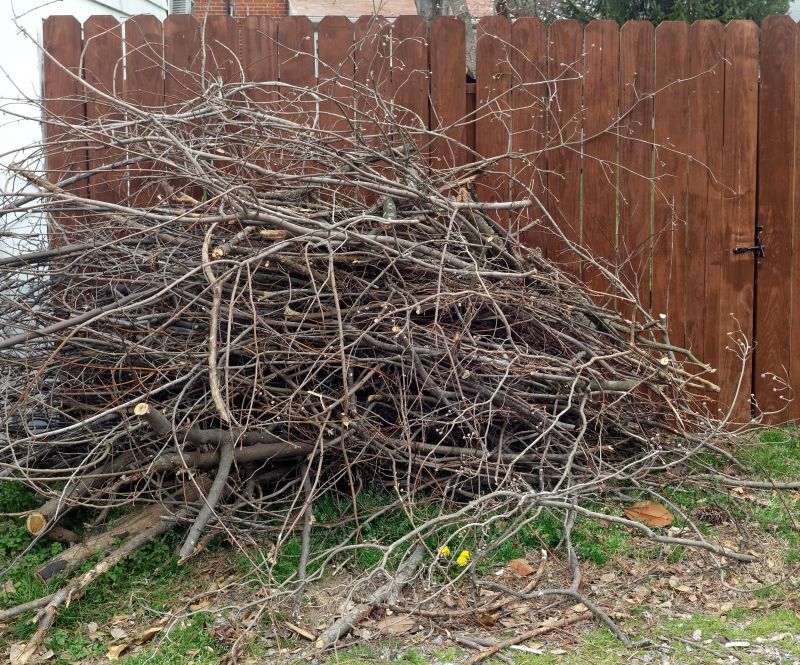
Pruning dead branches helps maintain the overall health and appearance of trees.
Aesthetic Appeal And Curb Appeal
Removing unsightly dead branches enhances the visual appeal of your yard and landscape.
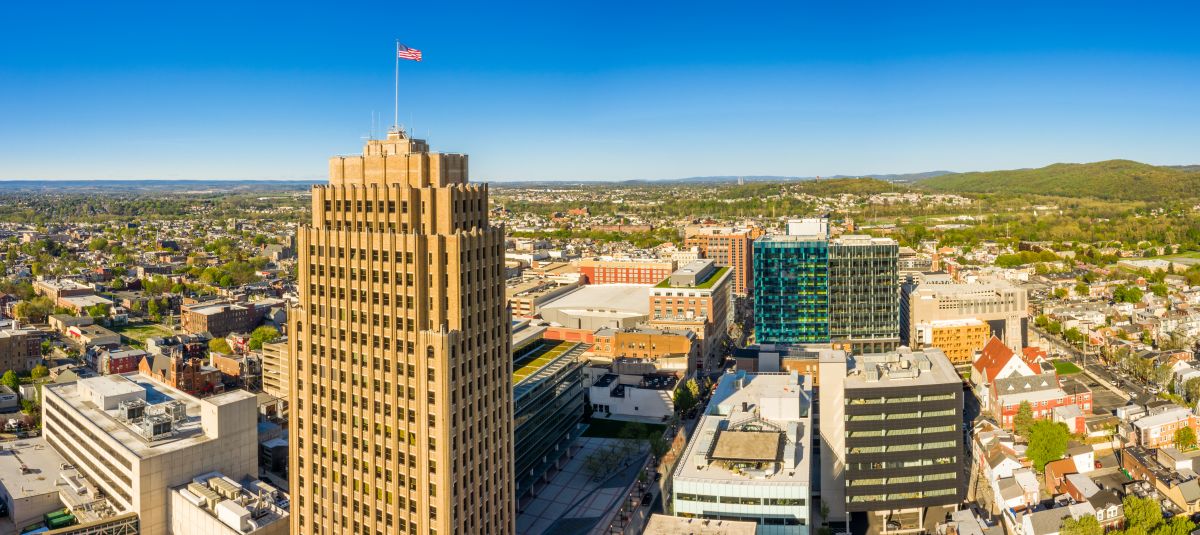
Dead Branch Removal in Allentown, PA
Dead branch removal services involve safely trimming or removing damaged, dead, or overgrown branches from trees and shrubs on residential properties. This service is often requested to improve the health and appearance of trees, prevent potential hazards such as falling branches, and maintain the overall safety of the landscape. Projects can range from removing a single problematic limb to comprehensive pruning of multiple trees to promote growth and safety, especially in areas with high foot traffic or near structures.
Homeowners typically seek information about the scope of the removal, the impact on tree health, and any necessary preparations before work begins. It is important to understand which branches are suitable for removal, how the process may affect the tree’s growth, and whether any permits or restrictions apply in the local area. Clear communication about the extent of work and any property considerations can help ensure the project aligns with property owner expectations.
Many property owners in Allentown, PA look into Dead Branch Removal for repairs, replacements, upgrades, and appearance-related improvements.
Common Dead Branch Removal Jobs
Dead Branch Removal - Removing hazardous or broken branches to improve tree health and safety.
Emergency Dead Branch Removal - Quickly addressing fallen or dangerously hanging branches after storms.
Tree Crown Thinning - Selectively removing dead or overgrown branches to reduce weight and wind resistance.
Selective Dead Branch Pruning - Targeted removal of dead limbs to prevent decay and pest infestations.
Storm Damage Cleanup - Clearing dead branches damaged during severe weather events.
Routine Dead Branch Maintenance - Regularly removing deadwood to promote overall tree vitality.
Dead Branch Removal Questions
Why should dead branches be removed? Removing dead branches helps prevent potential damage to the tree and nearby property, reducing the risk of falling limbs during storms.
How does dead branch removal benefit my landscape? Clearing dead branches enhances the appearance of trees and promotes healthier growth for the remaining branches.
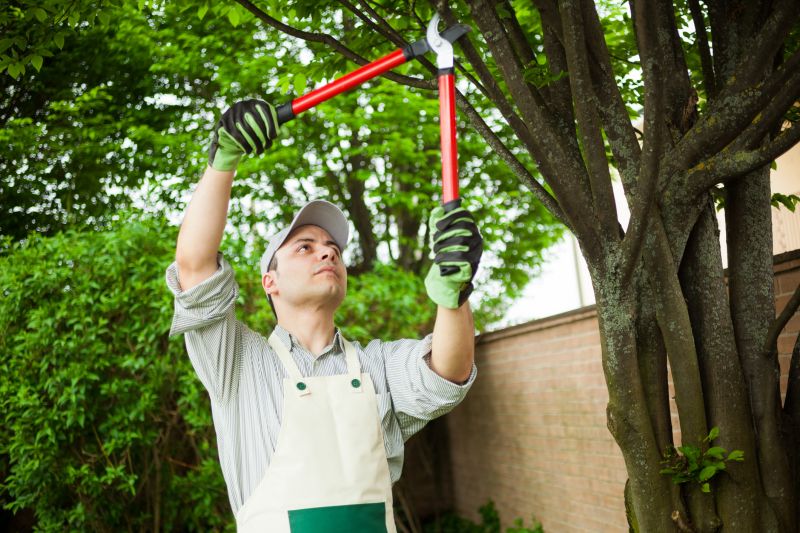
Is dead branch removal safe for the tree? Yes, when properly performed, removing dead branches can improve the overall health and longevity of the tree.
What types of trees typically need dead branch removal? Dead branches can be found on various tree types, especially those affected by disease, storm damage, or aging.
Request Dead Branch Removal in Allentown, PA
Use the quote form on this page to share the basics of your project and request more information for the type of work you need.